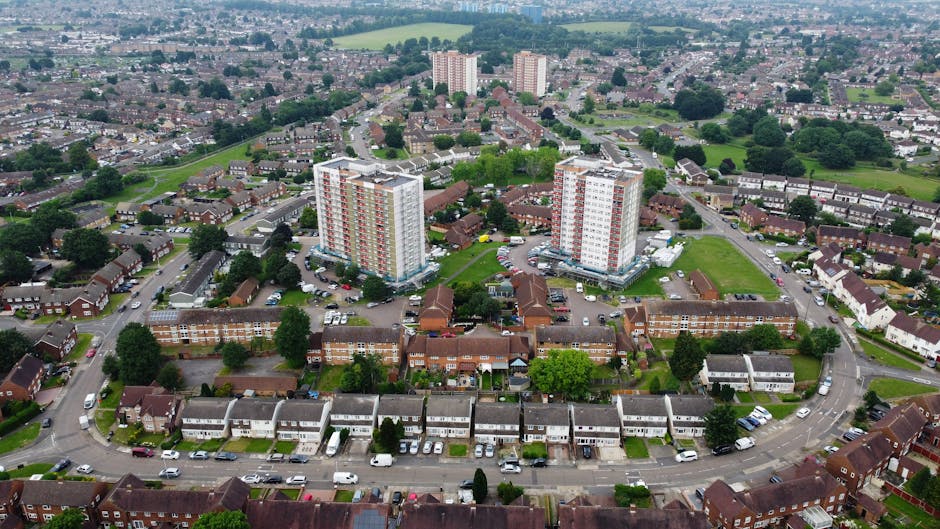
Common access problems for Enfield flat removals
If you are planning a flat move in Enfield, the packing is only half the story. The other half is access. Narrow stairwells, awkward parking, shared entrances, lifts that never quite cooperate, and neighbours who are trying to get on with their morning can all turn a simple move into a proper headache. Common access problems for Enfield flat removals are not just an inconvenience; they affect timing, labour, cost, and how safely your furniture gets out the door.
That is the reality many people only discover on moving day. One minute the van is nearby, the next you are standing in a communal hallway wondering how a wardrobe is meant to take that corner. This guide breaks down the most common access issues, why they matter, and what you can do about them. It is practical, local, and written to help you avoid the sort of last-minute scramble nobody enjoys.
Table of Contents
- Why access problems matter in Enfield flat removals
- How flat access issues affect the moving process
- Key benefits of planning access properly
- Who needs this guidance
- Step-by-step guidance for smoother access
- Expert tips for better results
- Common mistakes to avoid
- Tools, resources and recommendations
- Law, compliance, standards and best practice
- Options, methods, or comparison table
- Case study or real-world example
- Practical checklist
- Conclusion
- Frequently asked questions
Why Common access problems for Enfield flat removals Matters
Access affects almost everything on moving day. If the route from the flat to the van is slow, tight, or blocked, the job takes longer. That usually means more labour time, more lifting, more waiting, and more stress. In a flat move, the distance may look short on paper, but the practical route can feel endless if there are three flights of stairs, a tight landing, and a parking space half a street away.
In Enfield, this matters because you often see a mix of older converted buildings, newer apartment blocks, maisonettes, and estates with shared entrances. Each one comes with its own quirks. Some have lifts but no useful loading bay. Some have driveways but no legal place to stop. Some have residents' restrictions that sound fine until a van arrives and everyone suddenly notices the space is not really there.
Short version: access is not a small detail. It can shape the whole move.
It also matters for protection. The more awkward the route, the greater the risk of scuffed walls, chipped corners, damaged bannisters, or strained backs. Truth be told, most moving problems do not start with the sofa. They start with the staircase, the parking bay, or that one door frame that seems to be designed by a prankster.
How Common access problems for Enfield flat removals Works
When removal teams assess a flat move, they are really looking at the route from point A to point B. Not just the postcode. They want to know how the van will stop, where items will be carried from, how many turns are involved, whether the lift is usable, and whether large furniture will fit through the building without dismantling.
Common access problems for Enfield flat removals usually fall into a few patterns:
- Parking difficulty - no bay outside, permit restrictions, or a busy road with limited stopping space.
- Stairs and tight corridors - narrow staircases, awkward turns, low ceilings, or shared hallways.
- Lift limitations - small lifts, lift booking rules, or lifts that cannot take heavy or oversized items safely.
- Key and entry delays - missing keys, intercom problems, locked communal doors, or delayed handover.
- Building rules - time windows, loading restrictions, or requirements from managing agents and landlords.
- Long carry distances - the van may need to park further away than expected, which slows everything down.
Here is what this looks like in real life. A move from a second-floor flat near Enfield Town might seem straightforward until the van cannot stop directly outside and the only available place is a side street with tight access. Add a heavy bed frame and a communal stairwell with a sharp bend, and suddenly timing needs to be adjusted on the spot. It is not dramatic. It is just moving day being moving day.
How the team usually responds
An experienced crew will usually adapt by planning the order of loading, protecting the route, using the right lifting equipment, and deciding whether items should be dismantled. Sometimes a small van is better. Sometimes two people are enough. Sometimes you need extra help. The point is to match the method to the access, not the other way round.
If you want a broader overview of move types and support options, the main removal services page gives a useful starting point. For smaller flat jobs, a man with van arrangement can also be the more sensible fit when access is tight and flexibility matters.
Key Benefits and Practical Advantages
Good access planning does more than save time. It makes the whole move feel calmer and more controlled. That might sound a bit neat and tidy, but you notice it immediately when the route works. Boxes move smoothly, furniture stays protected, and nobody is standing around waiting for a lift that is stuck on another floor.
- Faster loading and unloading - fewer delays mean less time with the van parked and items exposed.
- Lower damage risk - fewer tight squeezes and rushed manoeuvres.
- Better cost control - less wasted time often means a more efficient move.
- Less stress for everyone - including neighbours, building staff, and the people moving.
- Safer handling - awkward access and heavy items are a bad mix if no one has planned the route.
There is also a practical benefit people overlook: access planning helps you decide what to dismantle, what to wrap, and what to move separately. A bulky wardrobe that would be a nightmare on the stairs might be fine once taken apart. A dining table that looks simple may actually be the item that causes the hold-up. You learn quickly which pieces are worth the effort.
Expert summary: If the access is awkward, the move should be planned around the building, not around wishful thinking. That one shift in approach often prevents the most common problems.
Who This Is For and When It Makes Sense
This guidance is for anyone moving from a flat in Enfield, but it is especially useful if your building has one or more of the following:
- no lift
- limited parking outside
- a shared entrance or buzzer system
- tight staircases or long internal corridors
- top-floor rooms with awkward angles
- permit-only parking or controlled access
- large furniture, appliances, or fragile items
It also makes sense if you are moving under time pressure. Same-day handovers, awkward lease timings, and chain delays can compress the schedule in a way that makes access issues feel ten times bigger. In those cases, even a small delay can snowball. If your move is urgent, it may be worth looking at same-day removals or reading about urgent same-day removals service for Enfield emergencies to understand how rapid moves are typically handled.
Students, first-time renters, downsizers, and people moving after a flat sale all face slightly different access problems. But the common thread is the same: if you underestimate the building, the building wins. That is not a complaint; it is just how stairs, doors, and parking work.
Step-by-Step Guidance
Let's make this practical. If you want to reduce access problems for an Enfield flat move, use a simple step-by-step approach before moving day arrives.
- Check the entrance route
Walk from the front door to the van loading point. Look at steps, railings, door widths, sharp turns, and where bulky items might catch. If a large sofa has to turn halfway down a narrow stairwell, that is important information, not a minor detail.
- Measure key items and access points
Measure the widest furniture pieces and compare them with the narrowest points on the route. This is especially helpful for wardrobes, mattresses, fridges, and table bases. A five-minute measurement can save a very long argument with a hallway.
- Confirm parking early
Find out whether you need a permit, whether a suspension is possible, and how close the van can realistically get. In Enfield, street layout and local restrictions can vary block by block. Do not assume the van can simply stop outside.
- Speak to building management if needed
If the block has lift booking rules, service entrance restrictions, or moving hours, check them early. Some buildings are relaxed, others less so. Better to know now than when a concierge is tapping a clipboard and shaking their head.
- Decide what should be dismantled
Flat-pack furniture, bed frames, and some large tables are often easier to move in parts. Dismantling can turn a problem item into a manageable one.
- Reserve extra time for awkward access
If the move should take two hours on paper, build in more. Access problems rarely add five minutes; they add a string of small delays that stack up.
- Prepare fragile and awkward items separately
Mirror panels, lamps, glass shelving, and television screens need different handling. If a corridor is tight, these pieces should not be packed into the process as an afterthought.
A simple rule helps here: if it looks awkward now, it will probably feel worse with gloves on and a heavy box in your hands. Slightly blunt, yes. But useful.
Expert Tips for Better Results
Experience teaches a few things that do not always make it into the standard checklist. For one, access issues are often about timing as much as space. A lift may be available, but not if two other residents are using it. A parking spot may exist, but only for a short window before traffic picks up.
- Take photos of the entrance and stairwell - a quick set of pictures helps everyone understand what they are dealing with.
- Keep a clear path inside the flat - coats, shoe racks, bins, and loose cables can slow everything down in a tiny hallway.
- Use the right packing sizes - overfilled boxes are harder to carry through tight access and more likely to split.
- Label fragile items clearly - this sounds basic, but in awkward access situations people move faster and need quick visual clues.
- Move smaller items first if space is tight - sometimes creating room inside the property makes the larger pieces easier to get out.
One more thing. Keep building keys, fobs, and parking permits where you can reach them instantly. Not in the bottom of a box. Not "somewhere safe". On the day, that one missing fob can feel like the plot of a bad comedy.
If you need help with boxing things up properly before a tricky flat move, packing and boxes and packing and unpacking services can be useful support options to consider.
Common Mistakes to Avoid
Most access issues are predictable. That is the slightly annoying part. The good news is you can avoid many of them if you know what tends to go wrong.
- Assuming a lift makes the move easy - some lifts are too small for large items, or they are too fragile for repeated heavy loads.
- Not checking parking restrictions - a van that cannot stop nearby creates more carrying, more time, and more risk.
- Forgetting about internal corners - the tricky bit is often not the staircase itself, but the turn at the landing.
- Leaving dismantling until the last minute - doing this on moving morning is stressful and often rushed.
- Ignoring neighbours and building rules - one frustrated neighbour can slow the move more than you expect.
- Underestimating how long access takes - "It's only a flat" is a phrase that tends to age badly, rather quickly.
Another mistake is failing to tell the removals team about the awkward bits. People sometimes say "it should be fine" when they are not really sure. To be fair, they are trying to stay positive. But accuracy helps more than optimism here. If the fridge has to go down a narrow stairwell, say so early.
Tools, Resources and Recommendations
You do not need specialist kit for every move, but the right tools make awkward access a lot more manageable. For flat removals, the following items are commonly useful:
- Furniture blankets and protective covers - useful for bannisters, corners, and appliance edges.
- Trolleys and sack trucks - helpful where the route allows wheels, though they are not always suitable for stairs.
- Strong tape and labels - useful for preparing items and keeping the process organised.
- Basic tools for dismantling - screwdrivers, Allen keys, and small bags for fixings.
- Gloves with grip - simple, but they improve control and reduce slips.
- Measuring tape - still one of the most underrated moving tools, frankly.
On the service side, the most relevant support options usually include flat-specific moving help, vehicle selection, and storage if your new place is not ready. You can review flat removals for move planning, or look at storage if your access problem is really part of a timing problem and you need a short-term holding solution.
For larger or more complex moves, the right vehicle matters too. A larger van can be useful, but only if access and loading space allow it. If not, a more compact option may be the smarter choice. That is where removal van and moving truck options can be compared sensibly, based on the building rather than guesswork.
Law, Compliance, Standards, or Best Practice
Flat removals are not usually about one dramatic legal rule; they are more about sensible compliance with building rules, parking restrictions, health and safety expectations, and reasonable care for property and people. In practical terms, that means checking what your building allows, making safe lifting decisions, and avoiding preventable damage.
Where a move involves shared spaces, you should expect common-sense standards: keeping exits clear, not blocking fire routes, and being considerate with noise and timing. If a building manager or landlord has specific moving instructions, it is best to follow them. They may seem fussy, but many are there because previous moves went badly. There is usually a story behind the rule.
Health and safety also matters in a very ordinary way. Heavy lifting, awkward posture, wet pavements, poor lighting in stairwells, and rushed carrying all increase the risk of injury. Good removal practice is not about being overly cautious; it is about avoiding completely predictable strain.
For reassurance, it can help to review the company's own policies on health and safety and insurance and safety. If you are comparing providers, it is also worth checking practical details around pricing and quotes so you understand how access issues might affect the final arrangement.
Options, Methods, or Comparison Table
Different access problems call for different solutions. The table below gives a simple comparison of common approaches.
| Access challenge | Best approach | What to watch for |
|---|---|---|
| Long walk from van to flat | Use more carriers, plan loading order carefully | Extra time, fatigue, and repeated trips |
| Narrow stairwell | Dismantle larger furniture, protect walls and corners | Sharp turns, bannisters, and low ceilings |
| Small lift | Use the lift for boxes, carry only approved items | Lift size, weight limits, and booking delays |
| Restricted parking | Arrange permits or choose a smaller vehicle if needed | Ticketing, access distance, and loading safety |
| Time-limited building access | Start early and prioritise essential items | Short windows, concierge rules, and queueing |
There is no perfect method. The best option is the one that suits the building, the load, and the time available. That may sound obvious, but people still try to move a full-size bed base through a space that clearly says no. The room is not being difficult; it is just small.
Case Study or Real-World Example
Here is a realistic example. A couple moving out of a second-floor flat in Enfield had a straightforward inventory: beds, a sofa, some kitchen boxes, and a glass cabinet. On paper, not too bad. The problem was access. The road outside was busy, the building entrance was shared, and the lift was too small for the sofa once measured properly.
Rather than discovering all that on the morning, they sent photos in advance and asked for a plan. The sofa was dismantled, the fragile cabinet was wrapped separately, and the loading was done in a specific order so the heaviest items came down when the route was clear. The van parked slightly further away than ideal, but because the team had planned for the extra carry, the move stayed controlled.
The result was not magical. It was just prepared. And that is often the difference between a stressful flat removal and one that feels manageable. A few extra decisions early on save a lot of heavy breathing later. You know the feeling when everything clicks into place? It was a bit like that.
Practical Checklist
Use this checklist before moving day. It is simple, but it covers the bits people most often miss.
- Measure the largest furniture items.
- Check the width of doors, stair turns, and hallway pinch points.
- Confirm whether the lift is usable for moving.
- Ask about moving hours, concierge rules, or building access windows.
- Sort parking arrangements and permits in advance.
- Decide which items should be dismantled.
- Protect floors, corners, and bannisters where needed.
- Keep keys, fobs, and permits separate and easy to reach.
- Tell the removals team about any awkward access features.
- Prepare a backup plan in case the van cannot park directly outside.
Quick practical reminder: if you are still unsure, walk the route again the evening before. Quiet hallway, dim landing light, maybe the faint smell of someone's dinner drifting through the stairwell. That is often when the hidden access issue finally reveals itself.
Conclusion
Common access problems for Enfield flat removals are usually less about the move itself and more about the route. Parking, stairs, lifts, doorways, and building rules can all turn a normal flat move into a complicated one if nobody plans ahead. The good news is that most of these issues can be managed with early checks, realistic timing, and the right moving method.
If you remember only one thing, make it this: do not treat access as an afterthought. Measure it, check it, and plan for it. That alone can save time, reduce damage, and make the day feel far less frantic. And when the last box is through the door, that calm is worth a lot.
For broader move planning and a smoother route from quote to moving day, you may also want to review removals and home moves options that fit your situation.
Get a free quote today and see how much you can save.
Move carefully, plan well, and give yourself a bit of breathing room. It makes all the difference.
Frequently Asked Questions
What are the most common access problems for Enfield flat removals?
The most common issues are narrow staircases, limited parking, small lifts, long carry distances, and restricted building access. Shared entrances and awkward internal corners are also very common in flat moves.
How do I know if my furniture will fit through the flat stairwell?
Measure the widest item and compare it with the narrowest point on the route, including turns and landings. If the item looks tight on paper, assume it will be tighter in real life. A quick photo helps too.
Do I need to tell the removals company about access problems in advance?
Yes, absolutely. The more accurate the access information, the better the moving plan. Photos, measurements, parking notes, and lift details all help avoid delays and surprise costs.
Can a lift solve flat removal access issues?
Sometimes, but not always. A lift can help with boxes and lighter items, yet it may still be too small for sofas, wardrobes, or appliances. Lift booking rules and weight limits can also affect how useful it really is.
What should I do if parking outside my flat is restricted?
Check whether permits, dispensations, or temporary arrangements are available. If not, plan for a longer carry and let the removals team know early so they can choose the right vehicle and staffing.
Are access problems likely to increase the cost of a flat removal?
They can, because awkward access often takes more time and labour. The exact effect depends on the route, how far the van must park away, and whether items need dismantling. A clear quote process helps keep this transparent.
Is it better to use a small van for a difficult flat move?
Often, yes. A smaller vehicle can be easier on narrow streets and in tighter parking spaces. That said, the right choice depends on the volume of items and how much loading space you need.
What items cause the most trouble in tight-access flat removals?
Sofas, wardrobes, bed bases, fridge freezers, and glass furniture are usually the hardest. They are bulky, awkward to turn, and more likely to catch on corners or railings.
How can I make moving day faster in a flat with poor access?
Dismantle large furniture in advance, keep hallways clear, label boxes well, and make sure keys and permits are ready. Good preparation trims away the small delays that usually cause the biggest hold-ups.
Do I need building permission for a flat removal in Enfield?
Sometimes you do, especially in managed blocks or developments with strict moving rules. Check with the landlord, managing agent, or concierge early so you know whether there are time windows or booking requirements.
What is the safest way to handle stairs during a flat removal?
Use proper lifting technique, keep the route clear, and avoid carrying oversized items if they clearly do not fit safely. For particularly awkward items, dismantling is usually the safer choice.
What if my moving date is urgent and access is complicated?
Start with the access details, not the packing. In urgent moves, clarity matters even more because there is less time to correct mistakes. If the situation is tight, services such as same-day moves may help, but only if the access plan is realistic from the outset.