EN1 removals tips for Chase Farm and Southbury
Posted on 30/06/2026
EN1 Removals Tips for Chase Farm and Southbury
If you are planning a move in EN1, the little details matter more than people expect. Between tight streets, awkward parking, school runs, flats with stairwells that seem to go on forever, and the general pressure of moving day, a smooth removal around Chase Farm or Southbury is usually won before the van even arrives. These EN1 removals tips for Chase Farm and Southbury are designed to help you avoid the usual headaches, stay organised, and make the whole process feel manageable rather than chaotic.
In this guide, you will find practical advice on planning, packing, timing, access, transport, and choosing the right kind of moving support. You will also see where local knowledge really helps, because honestly, a move that looks simple on paper can become a faff if you ignore one narrow road or one badly timed parking issue. Let's make it easier.
Why EN1 removals tips for Chase Farm and Southbury Matters
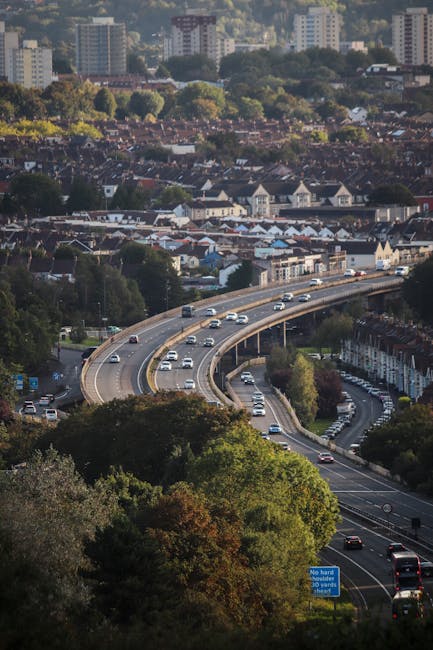
Moving in EN1 is not just about shifting boxes from one address to another. Chase Farm and Southbury sit within a part of Enfield where everyday movement can be affected by busy local roads, school traffic, station access, flat conversions, and the usual London parking realities. If you do not plan for those things, the day can become longer, more expensive, and more stressful than it should be.
That is why local removals advice matters. A well-planned move helps you reduce delays, protect furniture, keep neighbours onside, and avoid the classic "we'll just wing it" approach that almost never works. To be fair, most moving problems are predictable. They just feel random on the day because everyone is tired and the kettle has already been packed. Which, admittedly, is never ideal.
For many households, the biggest pressure points are access and timing. Southbury can involve flats, terraces, and streets where a large vehicle needs careful positioning. Around Chase Farm, you may be dealing with hospital traffic patterns, busier local routes, or a move that needs to work around appointments and school times. A good plan keeps the whole process calm enough that you can actually think clearly.
If you are still comparing your moving options, the broader removals in Enfield information can help you understand what a standard move typically includes, while the dedicated house removals service is useful if you are moving a full home rather than just a few items.
How EN1 removals tips for Chase Farm and Southbury Works
The basic idea is simple: reduce uncertainty before moving day. In practice, that means planning access, sorting what you are taking, choosing the right vehicle size, preparing the property, and keeping your schedule realistic. A move in EN1 tends to go better when each small task is handled early rather than left for the final evening.
A local removal works best when the team can get close to the property, load efficiently, and avoid unnecessary walking distance. If the van has to park further away than expected, the whole process slows down. If you have a lift that is out of service, or a staircase that is very narrow, that changes the loading order too. None of this is dramatic on its own, but it adds up quickly.
There is also the question of service type. Some people need a full crew, packing help, and careful handling for larger furniture. Others just need a man and van in Enfield style solution for a smaller move. For students, room-by-room moves can be better suited to student removals, while flat moves often benefit from a more compact approach such as flat removals.
Think of it like this: the move does not become easier because you hope it will. It becomes easier because the plan matches the property, the road layout, and the amount of stuff you actually own. A brutally honest inventory list usually helps more than optimism.
Key Benefits and Practical Advantages
Following sensible removals advice for Chase Farm and Southbury gives you more than a tidy van load. It creates a better moving day experience from start to finish. That is the real value.
- Less stress: When packing and access are organised, you are not making decisions under pressure.
- Faster loading and unloading: Clear labelling, sensible packing, and a practical route to the property reduce wasted time.
- Lower risk of damage: Good wrapping, proper lifting, and the right vehicle layout protect furniture and boxes.
- Better cost control: Efficient removals can reduce the chance of delays or extra labour caused by disorganisation.
- Cleaner handover: A planned move helps you leave the old place in better shape, which matters if you are ending a tenancy or completing a sale.
There is a quieter benefit too: confidence. When you know where everything is going, you stop second-guessing yourself every ten minutes. That matters more than people admit. A move can feel emotionally charged, especially if you are leaving a long-term family home or trying to get children settled into a new place before the school week begins.
For some moves, especially those involving bulky items or multiple rooms, specialist support can be worth it. For example, furniture removals can make a huge difference when you have wardrobes, sofas, beds, or awkward flat-pack pieces that are somehow heavier than they look. It is always the last item that seems to be made of granite.
Who This Is For and When It Makes Sense
These tips are relevant to a wide range of people moving in EN1. The details shift depending on your situation, but the underlying principles stay the same.
- Homeowners who need a structured house move and want less last-minute pressure.
- Tenants who need to clear a flat quickly and avoid end-of-tenancy stress.
- Students moving between rooms, halls, and private lets.
- Small businesses relocating equipment, stock, or office furniture.
- People with limited parking or access who need a practical loading plan.
- Anyone moving on a deadline, such as completion day, lease expiry, or a new job start.
If your move involves an office or home workspace, the planning gets even more important. A dedicated office removals service is often the right call when desks, IT equipment, and files need careful handling. Similarly, if you have piano, antique, or specialist items, those should not be treated like random boxes in a rush.
There is also the "small but not tiny" move category. You may not need a full lorry or a massive team, but you also do not want to do it all yourself with a borrowed hatchback. That middle ground is where local man and van support usually makes sense.
Step-by-Step Guidance
Here is a simple way to approach an EN1 move without overcomplicating things.
- Start with a realistic inventory. Walk through every room and list what is coming with you. Include loft spaces, sheds, cupboards, and garden items. People forget these all the time.
- Decide what stays, what goes, and what can be recycled. The less you move, the easier the day becomes. If you are decluttering, the recycling and sustainability guidance is a sensible reference point for responsible disposal.
- Measure bulky furniture and access points. Door widths, stair turns, lift size, and hallway corners matter more than you think.
- Book the right level of service early. Some moves are fine with a simple van and driver. Others need packing help, lifting support, or a fuller removals team.
- Pack by room and label clearly. Write the room name and a quick note like "fragile" or "open first". It sounds basic because it is, and it works.
- Prepare the property for loading. Keep hallways clear, protect floors if needed, and make sure the path from room to van is unobstructed.
- Confirm parking and access. If there is awkward road space outside the property, sort this ahead of time rather than on moving morning.
- Keep a first-night box. Kettle, mugs, chargers, toiletries, snacks, toilet roll, documents, and a change of clothes. Small things, big relief.
- Check the final rooms before leaving. Cupboards, loft hatch, under beds, behind doors. You will be surprised what gets missed at the last minute.
For people who need extra flexibility, a same-day removals option may be useful, though in reality it is always better to plan ahead where possible. Same-day moves can work, but they usually involve more pressure and fewer options. Nobody loves that.
Expert Tips for Better Results
Over the years, the moves that go best usually share the same traits: they are simple, prepared, and calm. Here are the little details that make a noticeable difference.
- Pack the heavy stuff in small boxes. Books, tools, and crockery can become unbearably heavy if you overload one box.
- Keep screws and fittings together. Tape them to the relevant furniture or place them in labelled grip bags.
- Photograph cable setups. If you have a TV, computer, or sound system, a quick photo saves confusion later.
- Use colour coding if you have a lot of rooms. It sounds a bit extra, but it makes unloading much quicker.
- Leave a clear walking route. The path from each room to the door should be obvious and box-free.
- Communicate access issues early. If there is a low bridge, a height restriction, or a loading-only window, say so before the day arrives.
One small local observation: roads around busy parts of Enfield can feel fine at 9am and then turn into a puzzle by midday. That is why time of day matters. An early slot often helps avoid the worst of congestion, and if there are children leaving nearby schools, the difference can be very noticeable.
It also helps to think about how the van will be loaded. Heavy, stable items first. Fragile items protected and separated. Loose objects secured. Nothing glamorous, but it is the difference between an organised move and a box avalanche.
If you are comparing providers, the broader guidance on removal companies in Enfield can help you understand what to look for beyond price alone. And yes, price matters. It just should not be the only thing that matters.
Common Mistakes to Avoid
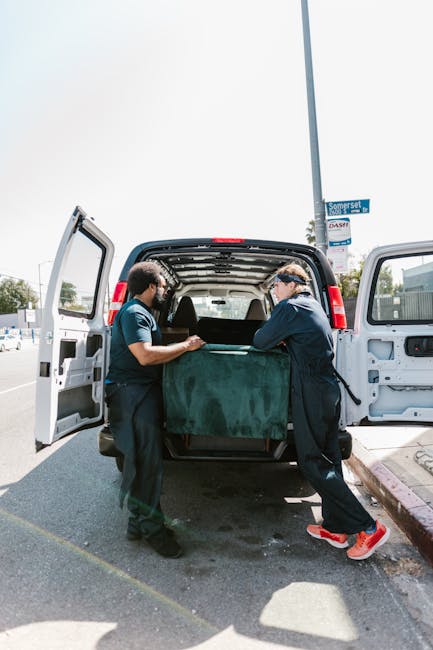
Most removal problems are completely avoidable. That is the annoying part, really. Here are the ones people in Chase Farm and Southbury most often trip over.
- Underestimating how much time packing takes. Packing always takes longer than you think, especially when you keep finding "one more drawer".
- Leaving access planning too late. A van that cannot park close enough turns a simple move into a slog.
- Using unsuitable boxes. Old supermarket boxes may seem handy, but if they collapse under pressure, they are not helping anyone.
- Not protecting fragile items. Towels, bubble wrap, paper, and sturdy box placement can prevent a lot of damage.
- Forgetting to measure furniture. The sofa that fit beautifully in your old lounge may not turn the corner in your new one. It happens all the time.
- Mixing essentials into random boxes. If you cannot find the kettle or phone charger, the first night gets a bit grim.
Another big mistake is assuming every move needs the same setup. A one-bedroom flat move is not the same as a four-bedroom family relocation. Likewise, a small office clearance is not the same as moving a business with equipment and filing cabinets. You need the right kind of support for the job, not just any moving day arrangement.
If your move is especially furniture-heavy, specialist help can be a better fit than trying to manage it all with general lifting. The same goes for mixed household and storage moves, where staging items correctly saves time.
Tools, Resources and Recommendations
You do not need a mountain of equipment to make a move work well. A few sensible items, though, can change the day completely.
- Strong boxes: A mix of small, medium, and large boxes helps you pack by weight, not just by volume.
- Packing tape and labels: Keep both close at hand. You will use more tape than you expect. Always.
- Furniture blankets: Useful for sofas, tables, mirrors, and anything that scratches easily.
- Marker pens: Clear labels are worth their weight in gold on moving day.
- Grip bags: Excellent for screws, plugs, and small bits of furniture hardware.
- Phone notes or a printed checklist: Simple, reliable, and harder to miss under pressure.
For most people, the best resource is a removals team that understands the area and the type of property involved. A good local service knows the difference between a straightforward road move and one that needs a bit of tactical thinking. If you are looking at service options in general, the services overview is a helpful place to see the range of support available.
Sometimes storage is the smartest short-term fix. If your moving dates do not line up neatly, or if you need to move out before you can move in, a storage solution in Enfield can take the edge off the timing pressure.
And because money always enters the chat at some point, it helps to review pricing and quotes early rather than guessing later. Transparent quotes are much easier to work with than vague promises and crossed fingers.
Law, Compliance, Standards, or Best Practice
For a local removal, the main thing to remember is that safety and fairness matter as much as speed. UK removals work best when basic industry expectations are followed: safe lifting, sensible packing, clear communication, and proper care for the property and belongings.
If you are moving household goods, practical best practice usually includes:
- ensuring access routes are reasonably clear before loading begins;
- using suitable packing materials for breakables and valuables;
- checking whether any items need specialist handling;
- confirming what level of assistance is included in the service;
- keeping a record of important documents and essentials separately.
If a move involves lifting heavy items, staircases, or awkward furniture, caution is sensible. The same goes for weather. Wet pavements, icy driveways, or poor visibility can slow a job down and make it more risky. No one enjoys dragging a wardrobe across a damp entrance at seven in the morning, let's be honest.
It is also worth checking that your chosen provider has clear policies on safety, insurance, and complaints. Those things are not exciting, but they are part of good service. You can also review practical reassurance pages like insurance and safety, health and safety policy, and terms and conditions before booking.
Options, Methods, or Comparison Table
Not every EN1 move needs the same approach. Here is a simple comparison to help you decide what fits best.
| Option | Best for | Strengths | Watch-outs |
|---|---|---|---|
| DIY move | Very small loads and short local trips | Lower upfront spend, full control | Time, lifting strain, parking issues, multiple trips |
| Man and van | Flat moves, partial loads, smaller homes, student moves | Flexible, efficient, practical for EN1 roads | May not suit very large homes or complex furniture |
| Full removal service | Whole-house moves, bulky furniture, busy schedules | More hands, faster loading, less stress | Usually more expensive than a smaller service |
| Storage plus move | Gap between move-out and move-in dates | Useful for staggered timelines and downsizing | Requires extra planning and coordination |
In many EN1 situations, a van-based move is the sweet spot. It is efficient without being overblown. If you need a compact, local solution, man with van in Enfield services are often the best fit. For larger loads or more hands-on help, the broader man and a van option can be a better middle ground.
Case Study or Real-World Example
Picture a typical Southbury move: a two-bedroom flat, a narrow access road, one awkward wardrobe, and a collection of boxes that seemed perfectly manageable until they were stacked in the hallway. The family had split the packing over several evenings, which already made things calmer. They labelled each box by room, set aside essentials, and told the removal team about the parking situation the day before.
On the morning itself, the van arrived at a sensible time, and the loading order made sense: mattress, sofa, heavier boxes, then fragile kitchen items and personal bags last. Because the access point had been discussed in advance, the crew did not waste ten minutes trying to work out where the vehicle could safely stop. That sounds small. It is not small on moving day.
By mid-afternoon, the move was done, and the family could find the kettle immediately. That alone, in my opinion, counts as a win.
A similar pattern works around Chase Farm too, especially where timing and road activity can affect how quickly the move gets underway. The biggest difference is rarely the furniture. It is the planning around the furniture.
Practical Checklist
Use this as a final run-through before moving day.
- Inventory completed for all rooms, cupboards, lofts, and outdoor spaces
- Items decluttered, donated, recycled, or discarded where appropriate
- Boxes packed by room and clearly labelled
- Fragile items wrapped and marked properly
- Furniture measured against doorways, stairs, and lifts
- Parking and access discussed in advance
- Essentials box packed and kept separate
- Valuables and documents stored safely with you
- Old and new property access times confirmed
- Utility, delivery, and key handover times checked
- Removal service type chosen to match the load
- Safety, insurance, and terms reviewed before booking
If you want to keep the move tidy from start to finish, it is also worth arranging proper packing supplies. The packing and boxes guidance can help you think through the basics without overbuying things you will not need.
Conclusion
A good move in EN1 is not about luck. It is about paying attention to the practical stuff before the day gets busy. The best EN1 removals tips for Chase Farm and Southbury are the ones that reduce friction: pack well, measure carefully, choose the right service, and plan access like it actually matters. Because it does.
Whether you are moving a flat, a family home, a student room, or a small office, the same principle applies: keep it organised, keep it realistic, and do not leave the awkward bits until the last minute. A bit of planning now can save a great deal of stress later. And once the boxes are in place, the smell of fresh coffee in the new kitchen feels pretty good, truth be told.
If you are comparing local moving support and want a straightforward next step, explore the options that best match your property and timeline. A sensible conversation now is usually worth a lot more than a rushed decision on moving day.
Get a free quote today and see how much you can save.