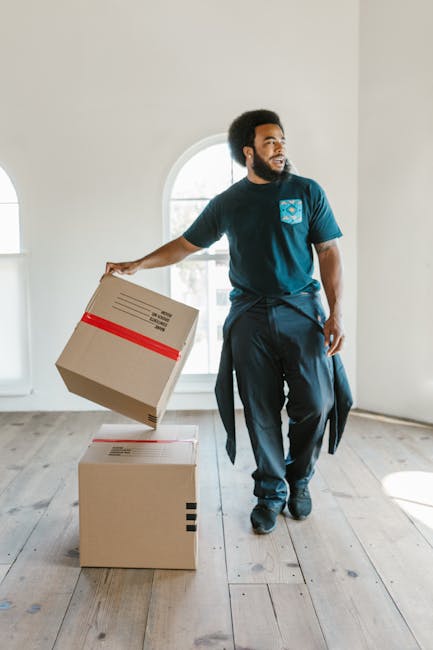
Ponders End furniture removals and access advice: a practical local guide for a smoother move
If you are planning a move in Ponders End, the furniture part is only half the story. The other half is access: stairs, narrow hallways, parking, lifts, loading space, and whether a sofa will actually turn the corner without a drama. That is why Ponders End furniture removals and access advice matters so much. A move can look straightforward on paper, then suddenly become awkward at the front door. In this guide, you will get clear, local-minded advice on how furniture removals work, what to check before moving day, and how to avoid the small access problems that turn into big delays.
Truth be told, most moving stress comes from things people could have spotted earlier. A quick look at entrance width, a sensible parking plan, a few packed boxes, and the right service choice can save a lot of time and a fair bit of backache. Let's get into the practical stuff.
Why Ponders End furniture removals and access advice matters
Furniture moves are often judged by volume, but access decides the real difficulty. A large corner sofa on a ground-floor property with decent parking is a very different job from the same sofa in a top-floor flat with a tight stairwell and no stopping space outside. That is the heart of Ponders End furniture removals and access advice: planning for the route, not just the item.
In Ponders End, you may be dealing with a mix of terraced homes, flats above shops, older residential streets, and busier roads where parking can be less than ideal. Even if the distance is short, the access can still be tricky. And short local jobs can be surprisingly time-consuming if the team has to carry bulky pieces a long way, wait for a bay to open up, or dismantle furniture on the spot. None of that is unusual. It just needs accounting for.
Access advice matters because it affects:
- how many movers are needed
- what size vehicle is suitable
- whether furniture should be dismantled in advance
- how long the move will take
- the chance of damage to furniture, walls, or door frames
- whether parking or permits need planning
It is also a trust issue. If you explain access clearly, a removal team can quote more accurately and arrive better prepared. That usually means fewer surprises on the day. Nice and simple, really.
Expert summary: The best furniture removals are not just about lifting and loading. They are about making the route from room to van as short, safe, and predictable as possible.
How Ponders End furniture removals and access advice works
The process starts before a single chair is moved. Good removals companies will ask questions about what you are moving, where it is located, and what the access looks like at both ends. That might sound obvious, but it makes a genuine difference. A proper assessment helps the team decide whether to use a man and van setup, a larger vehicle, or a more comprehensive removal services package.
Typical access checks include:
- floor level and lift availability
- stair width, bends, and landings
- doorway clearance
- parking distance from the property
- road width and turning space for the vehicle
- any time restrictions for loading
- whether furniture needs dismantling first
For example, a wardrobe may be perfectly manageable if it comes apart into panels, but a one-piece bed frame can be awkward in a narrow stairwell. Likewise, a dining table might look modest until you realise the hallway makes a sharp turn. This is the kind of thing that can be missed when a move is rushed. And then, well, the sofa decides to become a geometry problem.
If you are moving a full home, you may want to explore broader home moves or house removals support. For smaller loads or one-off items, a dedicated furniture removals service is often the better fit. For larger pieces, the way they are wrapped, carried, and loaded matters just as much as the distance travelled.
Key benefits and practical advantages
When access advice is done properly, the benefits are immediate. You get a smoother move, lower risk, and a much better sense of control. That may not sound glamorous, but on moving day it is worth a lot.
- Fewer delays: The crew knows what to expect and can work faster.
- Less damage risk: Furniture is less likely to catch on corners, scrape walls, or strain under poor handling.
- Better vehicle choice: A suitable van or truck avoids overpacking or repeated trips.
- More accurate pricing: Access details help the quote match the actual job.
- Less stress for you: You are not scrambling for parking or dismantling shelves at the last minute.
There is also a subtler benefit: confidence. When you know the route has been thought through, you stop worrying about little things. That frees you up to deal with keys, utilities, paperwork, or the inevitable missing screwdriver. Because there is always one.
Access planning is especially helpful if you are comparing services. A smaller job may fit a removal van or a flexible man with van arrangement. Bigger household loads may be better handled by a larger moving truck approach. The right choice depends on furniture size, access, and timing.
Who this is for and when it makes sense
This advice is useful for almost anyone moving furniture in or out of Ponders End, but it is especially important if your property has one or more access constraints. A simple ground-floor collection is one thing. A third-floor flat with no lift is another story.
You will benefit most if you are:
- moving large or heavy items such as wardrobes, sofas, beds, and cabinets
- living in a flat or maisonette with stair access
- on a street with limited parking or narrow access
- moving into an older property with tight internal spaces
- arranging a same-day collection or delivery
- moving shared items for a student house or small rental
- relocating office furniture, desks, or filing units
It can also make sense to combine furniture movement with packing help. If the furniture is being moved alongside boxes, then packing and boxes support or packing and unpacking services can keep the whole job more organised. This is particularly useful if you have fragile items on shelves or loose parts like fittings, legs, and cables.
Students, in particular, often underestimate access. A small move can still be annoying if there are four flights of stairs and the van has nowhere to wait. If that sounds familiar, student removals may be a better fit than trying to manage everything alone.
Step-by-step guidance
Here is the simplest way to approach a furniture move with good access planning. Nothing fancy. Just a sensible sequence.
- List every item. Write down what is moving, including large and awkward pieces. Note whether anything dismantles.
- Measure the big stuff. Height, width, and depth for sofas, beds, wardrobes, and tables. It takes five minutes and saves guesswork.
- Check the route. Measure doors, hallways, landings, stairs, and lifts. If there is a bend, measure that too.
- Think about parking. Can a van stop close to the property? Is there room to load without blocking traffic? Is a longer carry likely?
- Share the details early. When requesting a quote, explain the access honestly. Stairs, lift size, parking distance, and any restrictions all matter.
- Prepare the furniture. Remove drawers, loose shelves, mirrors, and detachable parts. Bag screws and label them.
- Protect surfaces. Use blankets, wrap, or edge protection where needed. Hallways and skirting boards are more vulnerable than people think.
- Plan arrival and unloading. Make sure someone is available to guide the team, open doors, and point out the correct rooms.
- Leave a little buffer. Access rarely goes exactly to plan. A small amount of flexibility makes the day feel less pressured.
If your move is more than just furniture, you may want a broader solution such as removals or even specialist support from house removalists. For business premises, office removals and commercial moves are the more relevant paths.
Expert tips for better results
A few small choices can make access easier straight away. These are the details people tend to skip, then regret later.
Measure the awkward angles, not just the doors
A lot of furniture fits through a doorway but fails at the turn into the hallway. Measure the diagonal and look at the corner clearance. In older homes, that one bend can be the difference between a smooth carry and an hour of careful pivoting.
Empty furniture before moving it
Drawers, books, clothes, and ornaments add weight and instability. An empty wardrobe is easier to control. A half-full one is just awkward and wobbly. Not ideal.
Keep the path clear
Move shoes, plant pots, bins, and small furniture out of the way before the movers arrive. Even something as simple as a rug can become a trip hazard when people are carrying a chest of drawers backwards down stairs.
Label what goes where
Room labels on boxes are a small win, especially if you are also using packing and unpacking services. It reduces questions and keeps unloading brisk. Nobody wants to stand in a hallway asking where the kettle has gone.
Ask about the right vehicle size
Some moves need a compact setup; others need something larger. If the street is tight, a smaller van can be easier to place. If the load is bulky, a bigger vehicle may reduce return trips. This is where a quick conversation about removal truck hire or a removal van can really help.
One more thing: if a mover asks detailed questions about access, that is usually a good sign, not an annoying one. It means they are thinking ahead. That is what you want.
Common mistakes to avoid
Most access problems are preventable. The trouble is, people often assume the job will "probably be fine". Sometimes it is. Sometimes not.
- Not measuring the furniture: Guessing the size of a wardrobe is a classic mistake.
- Forgetting stair landings and corners: The route can be more restrictive than the door.
- Ignoring parking: A van that cannot stop nearby adds time and effort.
- Leaving bulky items assembled: Dismantling a bed or table in advance can save stress.
- Not mentioning access issues early: Surprise stairs are not helpful. Neither are surprise parking restrictions.
- Overpacking boxes: Heavy boxes slow everything down and are harder to carry safely.
- Booking the wrong service for the job: A single-item move and a full property move are not the same thing.
It is also worth avoiding the temptation to rush through access checks because the move is "only local". Local can still mean tricky. Sometimes more so, because people assume it will be easy and prepare less.
Tools, resources and recommendations
You do not need specialist equipment to prepare well, but a few practical tools help a lot.
- Tape measure: Essential for doors, hallways, furniture dimensions, and stair widths.
- Phone camera: Take photos of access points, parking areas, and any tight corners.
- Labels and marker pens: Keep furniture parts and hardware easy to identify.
- Furniture blankets or wrap: Helpful for protecting polished surfaces and edges.
- Basic toolkit: A screwdriver, Allen keys, and small bags for fixings go a long way.
- Floor protectors: Useful if the route includes delicate flooring or freshly painted spaces.
If you need temporary space between collection and delivery, a storage option may be the sensible bridge. That can be especially useful if access is split over two days, if the new place is not ready, or if you are downsizing. In those cases, storage can take some pressure off the timeline.
For people who prefer to keep the whole move under one roof, it is worth looking at the wider service range on removal companies and removal services. That gives you a better sense of how furniture, boxes, and transport can be combined.
Law, compliance, standards, or best practice
For furniture removals, the main concern is not usually formal regulation in the dramatic sense. It is more about safe working practice, reasonable care, and clear communication. That said, UK moving jobs do touch on safety, handling, insurance, and fair trading expectations.
Good practice usually includes:
- safe lifting and carrying methods
- protecting property from avoidable damage
- securing loads properly in the vehicle
- being clear about pricing and what is included
- handling items with appropriate care and insurance cover
Before booking, it is sensible to review a provider's health and safety policy and insurance and safety information. Those pages should help you understand how the company approaches risk, handling, and property protection.
For payment confidence, many customers also like to look at payment and security and the general terms and conditions. This is not about being suspicious. It is just sensible due diligence. You would do the same for any service involving your belongings.
There are also broader trust indicators worth checking, such as company background on about us and sustainability commitments on recycling and sustainability. These may not affect the lift on moving day, but they do say something about how the business is run.
Options, methods, or comparison table
Choosing the right moving method is often about the balance between load size, access difficulty, and urgency. Here is a simple comparison to help.
| Option | Best for | Access strengths | Possible drawbacks |
|---|---|---|---|
| Man and van | Small to medium loads, single rooms, quick local jobs | Flexible, easier to fit into tighter streets | May be less suitable for very bulky or high-volume moves |
| Removal van | Furniture collections, partial house moves, mixed loads | Good balance of space and manoeuvrability | Needs careful planning if access is very restricted |
| Moving truck | Larger homes, heavier loads, multi-item moves | Can reduce repeat trips | May need more thought around parking and road space |
| Full removals service | Complete home or office moves, more complex access | More structured planning and handling support | Usually less minimal than a basic transport-only option |
There is no single winner here. A small flat move with awkward stairs might actually suit a more nimble approach better than a huge vehicle. On the other hand, a sizeable family house move may be much easier with a larger team and vehicle. If you are unsure, ask for a quote based on the actual access rather than the headline item count. That is the bit people forget.
Case study or real-world example
Imagine a fairly typical Ponders End move: a couple are leaving a first-floor flat and taking a sofa, a bed frame, two wardrobes, a dining table, and a handful of boxes into a ground-floor house a few streets away. Sounds simple. Then they mention that the flat has a narrow stairwell, the road outside has limited stopping space, and the wardrobe only fits through the hallway if it is dismantled.
That is exactly where access advice pays off.
By measuring the wardrobe in advance, clearing the route, and arranging a vehicle that could load efficiently without repeated shuffling, the move becomes more predictable. The team can prepare wrapping and tools before arrival. The couple can empty the wardrobes and bag the fixings. The result is less waiting, less lift-and-turn frustration, and a much calmer day overall.
Nothing dramatic happened. Which is the point. Good removals planning often looks boring from the outside. On moving day, boring is wonderful.
Practical checklist
Use this before moving day. It is simple, but it works.
- Measure all large furniture pieces
- Check doors, stair widths, and corridor turns
- Confirm parking and loading access at both addresses
- Ask whether furniture should be dismantled
- Remove loose items from drawers and shelves
- Label furniture parts and hardware bags
- Protect fragile edges, glass, and polished surfaces
- Share access details with the removals team early
- Keep hallways and entrances clear
- Have keys, contact details, and destination room info ready
- Plan for storage if there is a gap between move-out and move-in
If your move feels slightly complicated, that is okay. Most do, at least a little. The trick is not to pretend access details do not matter. They do.
Conclusion
Ponders End furniture removals and access advice is really about making a practical job feel manageable. When you understand the route, measure the awkward bits, and choose the right kind of moving support, everything becomes less stressful. You protect your furniture, reduce delays, and give yourself a much better chance of a smooth day.
The best moves are rarely the ones with the fewest items. They are the ones where someone thought ahead. A bit of planning, a few honest measurements, and the right service choice can make all the difference, and honestly, that is usually enough.
If you are ready to take the next step, compare your access details against the move size and ask for a service that matches the real job, not just the obvious one.
Get a free quote today and see how much you can save.
Frequently Asked Questions
What is the main thing to check for furniture removals in Ponders End?
The main thing is access. Measure doors, stairs, hallways, parking distance, and any lift size before moving day. That tells you far more than a rough item count ever will.
Do I need to dismantle furniture before a move?
Not always, but it often helps. Beds, wardrobes, tables, and some shelving units are easier to move when partially dismantled. If you are unsure, ask the removals team which pieces will be quicker and safer to take apart.
How do I know whether I need a man and van or a full removals service?
If you are moving a few items or a small flat load, a man and van or man with van option may be enough. For larger homes, multiple rooms, or complicated access, a fuller removals service usually makes more sense.
What access details should I tell the removals company?
Tell them about stairs, lifts, parking, road width, long carries, door sizes, and any time restrictions. If there is a tight corner, mention that too. It is better to over-explain than leave people guessing.
Can furniture removals work if I live in a flat?
Yes, absolutely. Flat moves are common. The key is to share access information early, especially if there is no lift or the stairwell is narrow. You may find flat removals more relevant than a general household service.
What if parking is difficult outside my property?
Then you should mention it as soon as you book. A team can plan for a longer carry, a different vehicle position, or a more careful loading arrangement. Parking is one of the biggest hidden factors in local moves.
Is same-day furniture removal possible?
Sometimes, yes. It depends on vehicle availability, access complexity, and how much furniture is involved. For urgent jobs, same-day removals may be useful, but the more notice you can give, the better.
How can I protect furniture during the move?
Wrap delicate surfaces, remove loose parts, empty drawers, and use blankets or padding where needed. Good packing also helps. If the move includes boxes as well as furniture, packing and boxes support can be worth it.
What if I need to store furniture for a short time?
Short-term storage can be a sensible bridge if your move-in date is delayed or the property is not ready yet. In that case, storage can take pressure off the schedule and keep the move from becoming chaotic.
Do I need to worry about insurance and safety?
Yes, you should at least check what is covered and how the team handles heavy items. Look for clear information on insurance and safety so you know what to expect if something goes wrong.
Are furniture removals suitable for office items too?
They can be, but larger business moves usually need a more tailored approach. Desks, chairs, cabinets, and equipment may be better handled through office removals or office relocation services.
How far in advance should I arrange access advice?
As early as possible. Even a few days' notice helps, but a week or more is better if the move has stairs, parking restrictions, or bulky furniture. A little planning goes a long way, really it does.